

18 Nov The Benefits of Multimedia Production in Video
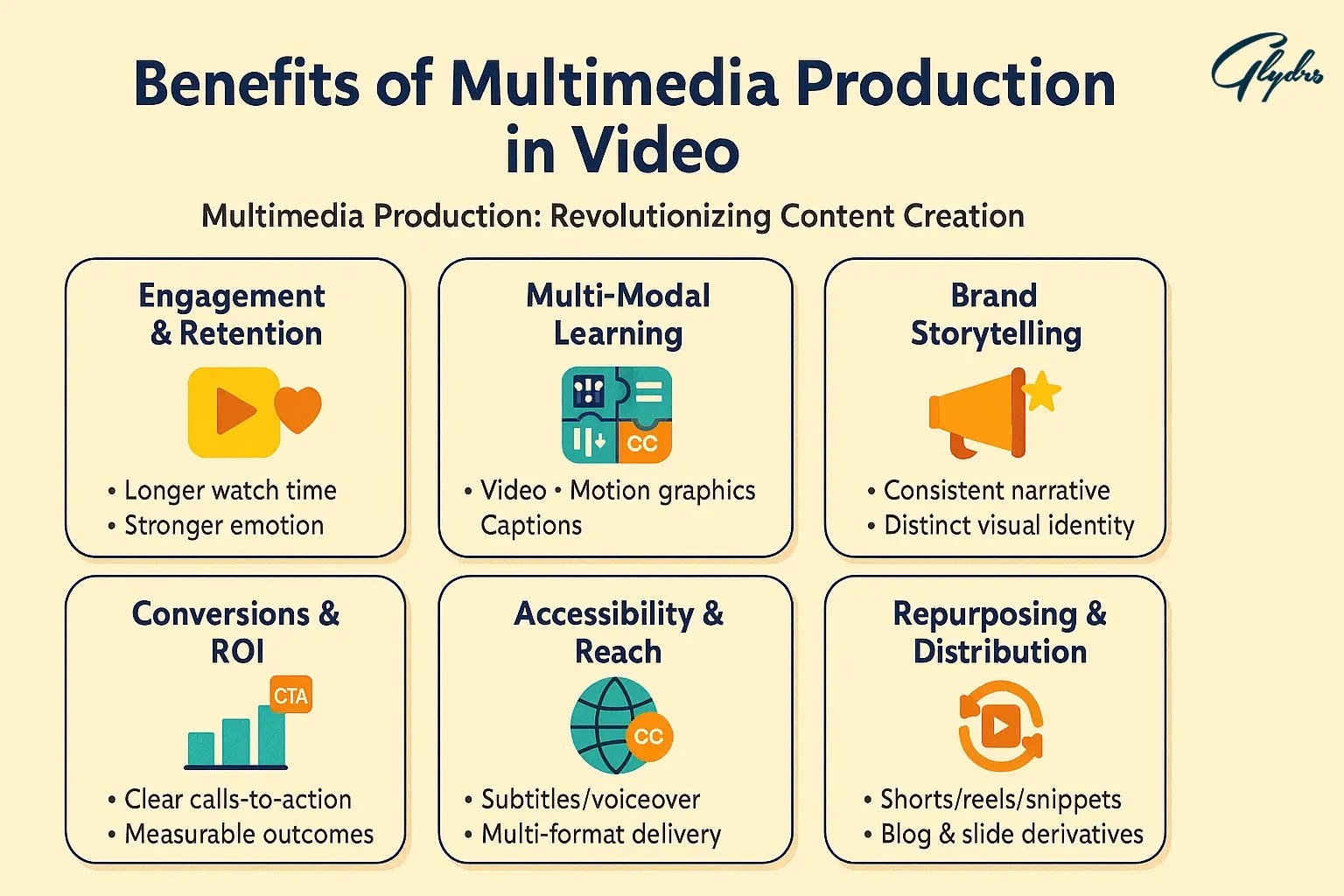
Multimedia Production: Revolutionizing Content Creation
You’ve likely noticed how your audience’s expectations have evolved dramatically in recent years. Gone are the days when a simple talking-head video or static presentation could capture and maintain viewer attention. Today’s digital landscape demands more dynamic, engaging, and multi-layered content experiences that speak to different learning styles and consumption preferences.
The shift toward multimedia production represents more than just a trend—it’s a fundamental transformation in how you can connect with your audience. When you integrate various media elements into your video content, you’re not just adding visual appeal; you’re creating a comprehensive communication strategy that addresses the way modern audiences process information. This approach provides a significant competitive advantage, enabling you to stand out in an increasingly crowded digital marketplace.
Your content strategy can benefit immensely from understanding how multimedia elements work together to create compelling narratives. Whether you’re developing marketing materials, educational content, or brand storytelling pieces, integrating multiple media types within your video production opens up possibilities that single-medium content simply cannot achieve.
Understanding Multimedia Production in Video Context
When you think about multimedia production, you’re looking at something far more sophisticated than basic video creation. This approach combines text overlays, dynamic graphics, animations, layered audio elements, and interactive components to create a rich, immersive viewing experience that engages multiple senses simultaneously.
The distinction between traditional video production and multimedia video lies in the intentional integration of diverse media elements. While a standard video might feature a speaker with basic graphics, multimedia production strategically layers different content types to reinforce your message through multiple channels. You might incorporate animated infographics, background music, voice-over narration, text callouts, and visual effects—all working in harmony to support your core message.
Key Insight: The synergy between different media elements creates an experience that’s greater than the sum of its parts, allowing you to communicate complex ideas more effectively than any single medium could achieve alone.
Understanding this synergy helps you recognize why multimedia production has become essential for effective communication. Each element you add serves a specific purpose, whether it’s reinforcing key points through text, creating an emotional connection through music, or simplifying complex concepts through animation. This multi-layered approach ensures your message resonates with viewers who have different learning preferences and attention spans.
Enhanced Audience Engagement and Retention
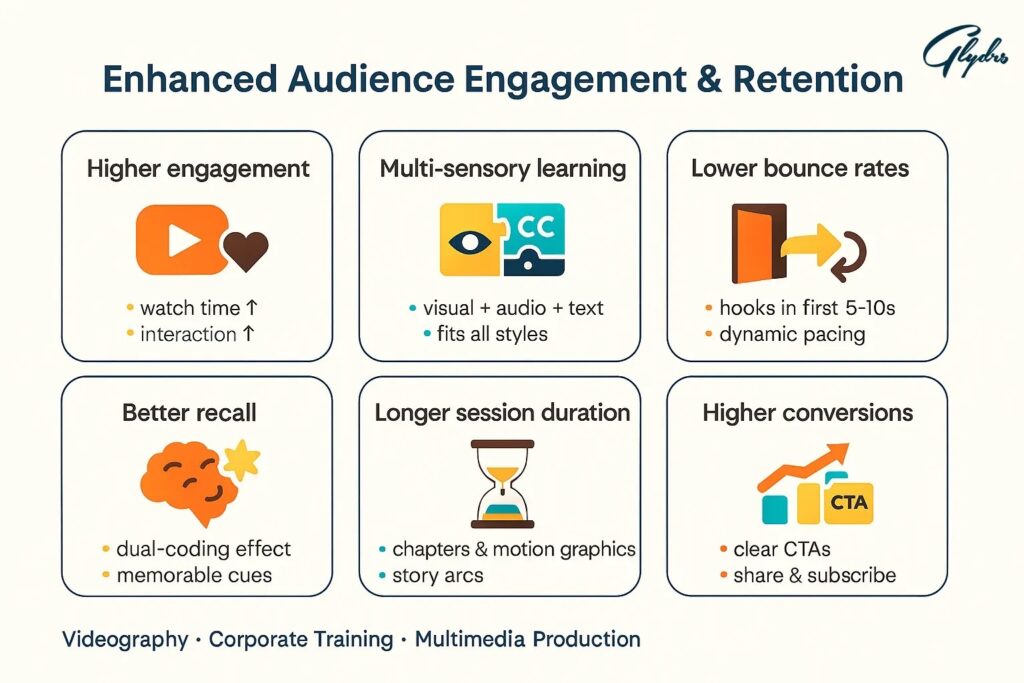
Your audience’s engagement levels can increase dramatically when you implement multimedia elements in your video content. Research consistently shows that viewers spend significantly more time with content that incorporates multiple media types, with engagement rates often doubling or tripling compared to single-medium presentations.
The psychology behind this improvement is fascinating. When you present information through multiple sensory channels, you’re working with your audience’s natural cognitive processes rather than against them. Their brains are designed to process visual, auditory, and textual information simultaneously, and multimedia production takes advantage of this natural ability to create more memorable experiences.
You’ll notice reduced bounce rates when your content successfully captures attention through dynamic presentation methods. Instead of losing viewers within the first few seconds, multimedia elements create multiple points of interest that encourage continued viewing. This extended engagement time translates directly into better message retention and a higher likelihood of desired actions, whether that’s making a purchase, signing up for services, or sharing your content with others.
The multi-sensory nature of multimedia content also helps you accommodate different audience preferences and attention spans. Some viewers respond better to visual information, others prefer auditory learning, and many benefit from text reinforcement. By incorporating all these elements, you ensure that every viewer finds something that resonates with their preferred learning style.
Improved Information Comprehension and Learning
Your ability to communicate complex information improves significantly when you leverage multimedia production techniques. The combination of visual and auditory elements, supported by text and interactive components, allows you to break down complicated concepts into digestible segments that your audience can more easily understand and remember.
Scientific research in cognitive psychology demonstrates that people retain information much more effectively when it’s presented through multiple channels. When you combine spoken explanations with visual demonstrations, text reinforcement, and interactive elements, you’re creating multiple pathways for information to reach your audience’s long-term memory. This approach can increase retention rates by up to 65% compared to single-medium presentations.
Consider how you can use this knowledge in your own content creation. Complex processes become clearer when you combine step-by-step narration with animated visuals and text callouts highlighting key points. Abstract concepts gain clarity when you support theoretical explanations with concrete visual examples and interactive elements that allow viewers to explore ideas at their own pace.
Multimedia production particularly excels in educational and training contexts, where your goal is not just to inform but to ensure understanding and practical application. By presenting information through multiple channels, you accommodate different learning styles while reinforcing key messages through repetition across various media formats.
Business and Marketing Advantages
Your marketing effectiveness receives a substantial boost when you integrate multimedia elements into your video content strategy. The combination of visual storytelling, dynamic graphics, and strategic audio elements creates a more compelling brand narrative that resonates with your target audience and drives measurable business results.
Brand recognition increases significantly when you use multimedia approaches that create memorable, distinctive experiences. Your audience begins to associate the unique combination of visual style, audio elements, and interactive features with your brand identity, creating stronger recall and preference compared to competitors using more traditional approaches.
| Benefit Category | Traditional Video | Multimedia Video | Improvement |
|---|---|---|---|
| Engagement Rate | 2-4% | 8-12% | 200-300% increase |
| Conversion Rate | 1-2% | 4-6% | 300-400% increase |
| Social Sharing | Baseline | 12x more shares | 1200% increase |
| Brand Recall | 30% | 65% | 115% increase |
The cost-effectiveness of multimedia production becomes apparent when you consider the versatility of the content you create. Instead of producing separate materials for different purposes, you can develop comprehensive multimedia pieces that serve multiple marketing functions, from social media content to website features to presentation materials.
Your return on investment improves because multimedia content typically has a longer lifespan and greater shareability than single-medium alternatives. The engaging nature of well-produced multimedia content encourages social sharing, extending your reach organically and reducing your customer acquisition costs.
Technical Capabilities and Creative Flexibility
Your creative possibilities expand exponentially when you embrace multimedia production techniques. The technical capabilities available today allow you to customize every aspect of your content to align perfectly with your brand identity and communication objectives, creating unique experiences that differentiate your message from competitors.
The scalability of multimedia content means you can adapt your materials for different platforms and formats without starting from scratch. Elements created for a comprehensive video presentation can be repurposed for social media clips, website features, email marketing, and other distribution channels, maximizing the value of your production investment.
Advanced storytelling techniques become accessible through multimedia approaches. You can guide your audience’s attention using visual cues, create emotional responses through strategic audio choices, and reinforce key messages through carefully timed text elements. This level of control over the viewing experience allows you to craft precisely the response you want from your audience.
The integration capabilities of modern multimedia production mean your content can seamlessly connect with existing marketing systems, customer relationship management platforms, and analytics tools. This connectivity provides valuable insights into how your audience interacts with your content and enables continuous optimization of your approach.
Future-proofing becomes a natural benefit of multimedia production. As new technologies emerge, the diverse elements in your multimedia content can be adapted and enhanced rather than completely recreated, protecting your investment while keeping your content fresh and relevant.
Streamlined Production and Distribution Benefits
Your production efficiency improves significantly when you adopt multimedia production workflows that create versatile, multi-purpose content from single production cycles. Instead of creating separate materials for different marketing channels, you develop comprehensive pieces that can be adapted and repurposed across multiple platforms and applications.
The streamlined approach to content creation reduces both time and cost investments while increasing the overall value of your production efforts. When you plan multimedia content strategically, each element you create serves multiple purposes, from social media snippets to comprehensive presentations to interactive website features.
Cross-platform optimization becomes simpler when your content incorporates multiple media types that can be mixed and matched for different distribution channels. Your video content can be adapted for YouTube, Instagram, LinkedIn, and other platforms by emphasizing different multimedia elements while maintaining consistent messaging and branding.
Production Tip: Planning your multimedia content with distribution in mind allows you to create modular elements that can be recombined for different purposes, maximizing the value of every production dollar spent.
Content management becomes more efficient when you develop systematic approaches to multimedia production. Your team can work more effectively when they understand how different elements contribute to the overall message, and updates or modifications can be made to specific components without requiring the complete reproduction of entire pieces.
Global reach considerations benefit from multimedia approaches that can accommodate different languages, cultural preferences, and accessibility requirements. Text elements can be translated, audio can be dubbed or subtitled, and visual elements can be adapted for different cultural contexts while maintaining the integrity of your core message.
Measuring Success and Return on Investment
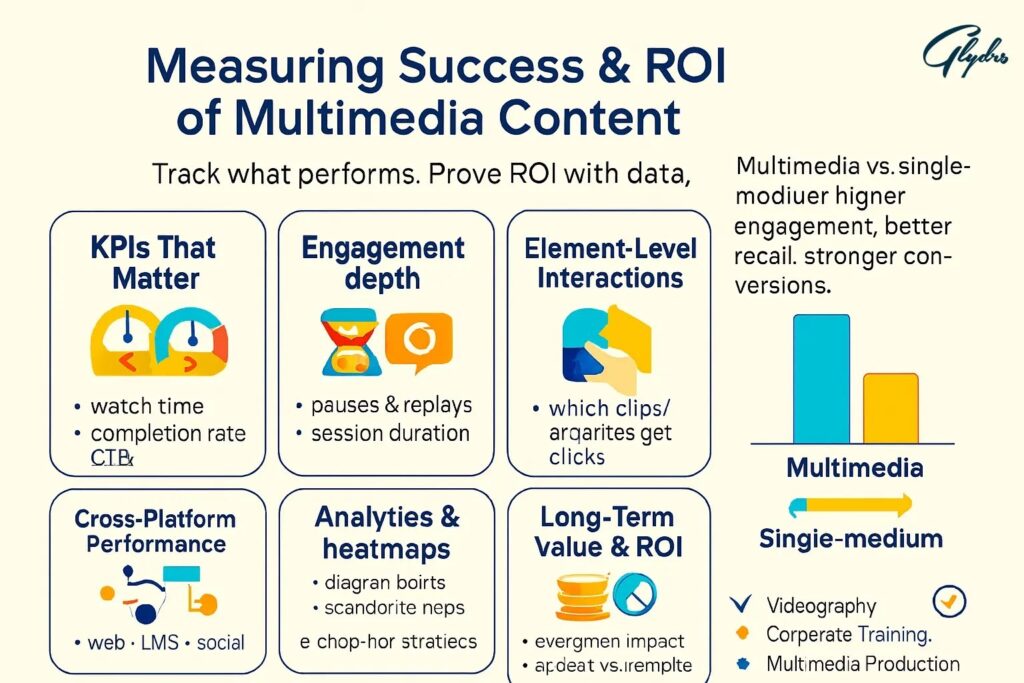
Your ability to track and measure the effectiveness of multimedia content provides valuable insights that help you optimize your content strategy and demonstrate clear return on investment. The multi-layered nature of multimedia content creates multiple data points that give you a comprehensive understanding of how your audience engages with your material.
Key performance indicators for multimedia content extend beyond traditional video metrics to include engagement depth, element-specific interactions, and cross-platform performance. You can track which multimedia components generate the most engagement. How long viewers spend with different content sections. And which elements drive the highest conversion rates.
Analytics tools specifically designed for multimedia content provide detailed insights into viewer behavior patterns. You can see where people pause, replay. Or skip sections of your content, which interactive elements receive the most attention. And how different multimedia components contribute to your overall communication objectives.
The long-term value of multimedia content typically exceeds that of single-medium alternatives because the rich. Engaging nature of the material maintains relevance and effectiveness over extended periods. Your investment continues to generate returns as the content remains valuable to new audiences and can be updated with fresh elements rather than completely recreated.
Comparison studies between multimedia and traditional content consistently demonstrate superior performance across multiple metrics. When you invest in multimedia production. You’re choosing an approach that delivers measurable improvements in audience engagement. Message retention, and business outcomes.
Best Practices for Multimedia Video Implementation
Your success with multimedia production depends on strategic planning that balances multiple elements without overwhelming your audience. The key lies in understanding that more elements don’t automatically mean better results. Each component must serve a specific purpose in support of your overall communication objective.
Strategic concept development should begin with a clear identification of your target audience and primary message. Before adding any multimedia elements, you need to understand what you’re trying to communicate and how different media types can support that goal. This foundation ensures that every element you include contributes meaningfully to your overall effectiveness.
Balancing multimedia components requires careful attention to pacing and information density. You want to create rich experiences without causing cognitive overload that might confuse or alienate your audience. The most effective multimedia content creates a natural flow between different elements, guiding attention strategically rather than competing for it chaotically.
Technical considerations play a crucial role in ensuring your multimedia content performs well across different devices and platforms. File sizes, loading speeds, and compatibility issues can undermine even the most creative content if not properly addressed during the planning and production phases.
Team collaboration becomes more complex but also more rewarding in multimedia production. You’ll likely work with specialists in different areas—video production, graphic design, audio engineering, and interactive development. Clear communication and shared understanding of the overall vision help ensure all elements work together harmoniously.
Common pitfalls include overcomplicating simple messages, inconsistent branding across different elements, and technical issues that prevent smooth playback or interaction. Learning from these mistakes helps you develop more effective approaches to multimedia production that achieve your communication goals without unnecessary complications.
Keep reading and uncover secrets that can change the way you work. VIDEOGRAPHY: HOW IT CAN IMPROVE YOUR VIDEOS
Future Trends and Emerging Opportunities
Your multimedia production strategy should account for rapidly evolving technologies that are creating new possibilities for audience engagement and interaction. Artificial intelligence tools are beginning to automate certain aspects of multimedia creation. Making sophisticated production techniques more accessible to businesses of all sizes.
Interactive and immersive content possibilities continue to expand as virtual and augmented reality technologies become more mainstream. Your future multimedia projects might incorporate three-dimensional elements, virtual environments. And interactive features that allow audiences to explore content in ways that weren’t possible just a few years ago.
Multimedia production workflows are becoming more streamlined through automation tools that can generate certain elements based on your specifications and brand guidelines. While human creativity remains essential. These tools can handle routine tasks and allow you to focus on strategic and creative decisions that differentiate your content.
Emerging distribution platforms are creating new opportunities for multimedia content that takes advantage of platform-specific features and audience behaviors. Your content strategy should remain flexible enough to adapt to new channels while maintaining consistent messaging and quality standards.
The integration of real-time data and personalization capabilities means your multimedia content can become more responsive to individual viewer preferences and behaviors. This trend toward personalized multimedia experiences represents a significant opportunity for businesses willing to invest in sophisticated content strategies.
Keep reading and uncover secrets that can change the way you work. TYPES OF VIDEOGRAPHY SERVICES FOR STARTING YOUR OWN BUSINESS
Your Multimedia Video Journey Starts Now
Your transition to multimedia video production represents an investment in more effective communication and stronger audience connections. The benefits we’ve explored—from improved engagement and retention to measurable business results. Make a compelling case for incorporating multimedia elements into your content strategy.
Assessing your current content approach honestly will help you identify the biggest opportunities for improvement. Look at your existing video content and consider where multimedia elements could enhance message clarity. Increase engagement, or better serve your audience’s needs and preferences. This evaluation provides a roadmap for your multimedia production journey.
The decision between building internal capabilities and partnering with experienced multimedia production specialists depends on your resources, timeline, and long-term content needs. Many businesses find that starting with professional guidance helps them understand best practices and avoid common pitfalls while developing internal expertise over time.
Setting realistic expectations for your multimedia production initiatives helps ensure success and continued investment in these approaches. While the benefits are significant, they require thoughtful planning, quality execution, and consistent application to achieve maximum impact.
Your next steps should include researching multimedia production options that align with your budget and objectives. Identifying key messages that would benefit from multimedia treatment. And beginning conversations with team members or potential partners about implementing these strategies in your content marketing efforts. The investment you make in multimedia production today positions you ahead of competitors still relying on single-medium approaches while building capabilities that will serve your communication needs for years to come.
Keep reading and uncover secrets that can change the way you work. A STEP-BY-STEP GUIDE TO CREATING AMAZING VIDEO FILMING
Ready to Transform Your Content Strategy
Your content has the potential to achieve far greater impact through strategic multimedia production implementation. The benefits we’ve discussed—enhanced engagement, improved comprehension, stronger business results. And future-ready capabilities—represent real opportunities to differentiate your communication and connect more effectively with your audience.
The multimedia production landscape continues to evolve. Offering new tools and techniques that make sophisticated content creation more accessible while opening possibilities for innovation and creativity. Your willingness to embrace these approaches positions you to take advantage of these developments while competitors continue using outdated, single-medium strategies.
Taking action on multimedia production doesn’t require massive investments or complete overhauls of your existing processes. Starting with strategic enhancements to your current content, learning from results, and gradually expanding. Your multimedia capabilities provides a practical path toward more effective communication and stronger audience relationships.
Your audience is ready for more engaging, comprehensive content experiences. The question isn’t whether multimedia production can benefit your communication strategy. It’s how quickly you can begin implementing these approaches to stay ahead of evolving audience expectations and competitive pressures.
Turn your goals into real achievements with our tailored services – request the service now.
Frequently Asked Questions About Multimedia Video Production
1- What equipment do you need to start multimedia video production?
Your equipment requirements depend on the complexity of multimedia elements you want to incorporate. Basic setups might include a quality camera, audio recording equipment, and a computer with multimedia editing software. More advanced productions could require specialized lighting, multiple cameras, professional audio equipment, and powerful computers capable of handling complex editing tasks. Starting with quality basics and upgrading as your needs and budget allow often provides the most practical approach.
2- How much does multimedia video production typically cost?
Production costs vary significantly based on project scope, duration, complexity of multimedia elements, and whether you’re working with internal resources or external specialists. Simple multimedia enhancements to existing video content might cost a few hundred dollars, while comprehensive multimedia productions can range from several thousand to tens of thousands of dollars. The key is understanding your objectives and finding approaches that deliver maximum value within your budget constraints.
3- Can you create multimedia videos without technical expertise?
Modern software tools and platforms have made multimedia production more accessible than ever before. User-friendly applications allow you to add text, graphics, music, and basic animations to video content without extensive technical knowledge. However, more sophisticated multimedia production still benefits from technical expertise or professional guidance. Many businesses start with simple tools and gradually develop more advanced capabilities as their needs and comfort levels increase.
4- How do you measure the success of multimedia video content?
Success measurement should align with your specific objectives, whether those involve engagement, lead generation, brand awareness, or sales conversion. Key metrics might include view duration, engagement rates, social sharing, click-through rates, and conversion tracking. Analytics platforms provide detailed insights into how audiences interact with different multimedia elements, helping you optimize future content for better performance.
5- What’s the difference between multimedia production and adding simple graphics to video?
True multimedia production involves strategic integration of multiple media types that work together to enhance your core message. Simple graphics addition might improve visual appeal, but multimedia production creates comprehensive experiences where each element serves specific communication purposes. The difference lies in the planning, integration, and strategic use of various media components to achieve specific audience engagement and communication goals.
No Comments